Betting Market Interactions: Football and Cricket Odds During Britain's Prime Time Slots
Blake Ludwig · Sep 1, 2026
Betting Market Interactions: Football and Cricket Odds During Britain's Prime Time Slots
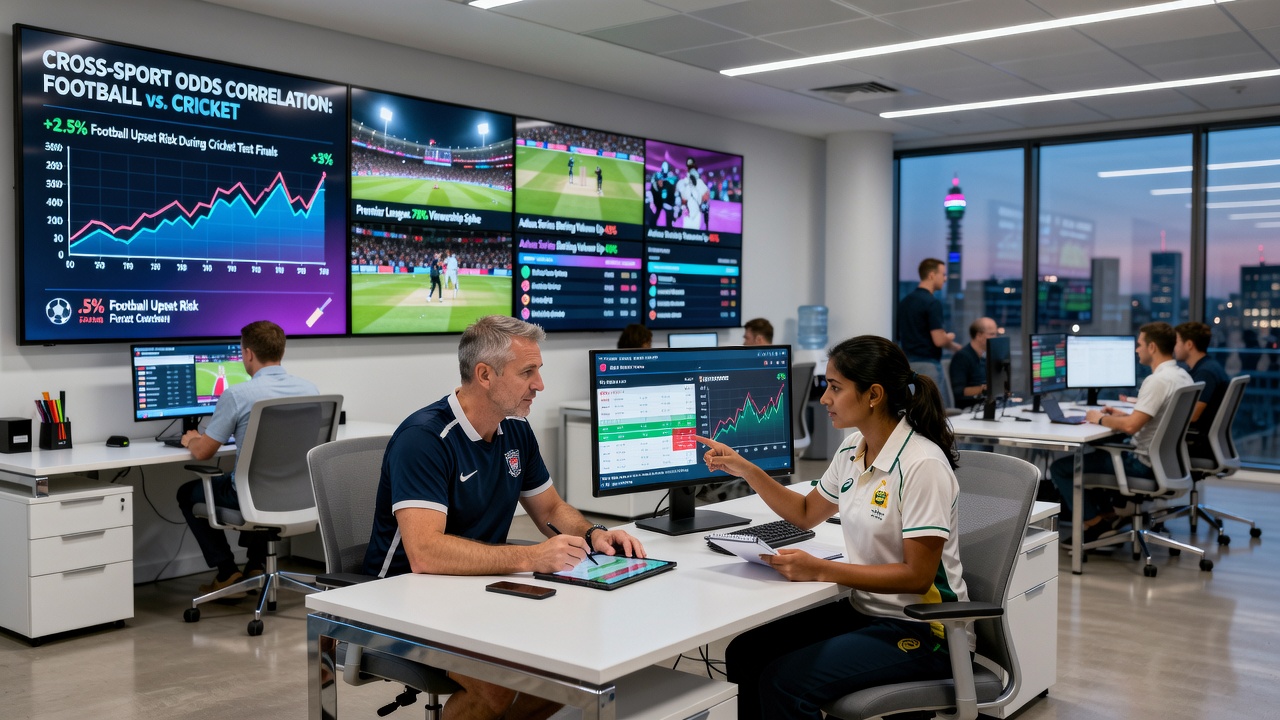
Peak viewing hours for football and cricket in Britain typically fall between 7pm and 10pm on weekends and select weekdays, when overlapping schedules create shared audience attention across both sports, adn data from betting platforms shows measurable shifts in live odds as bettors move focus between events. Researchers tracking these periods have observed that football matches in the Premier League often draw the largest initial volume, yet cricket Twenty20 games running concurrently see odds adjustments that align with broader market activity rather than isolated factors.
Defining Overlap in Live Markets
During these evening windows, British betting sites process simultaneous wagers on goals, wickets, and set pieces, and studies from industry analysts indicate that a sudden goal in a football match can coincide with minor recalibrations in cricket run-rate odds as liquidity redistributes across user accounts. Those who monitor platform metrics note that this pattern emerges most clearly when a high-profile match in one sport enters a decisive phase while the other continues in a steadier rhythm, allowing traders to adjust lines based on aggregate user behavior rather than single-event momentum alone.
Patterns Observed in Recent Seasons
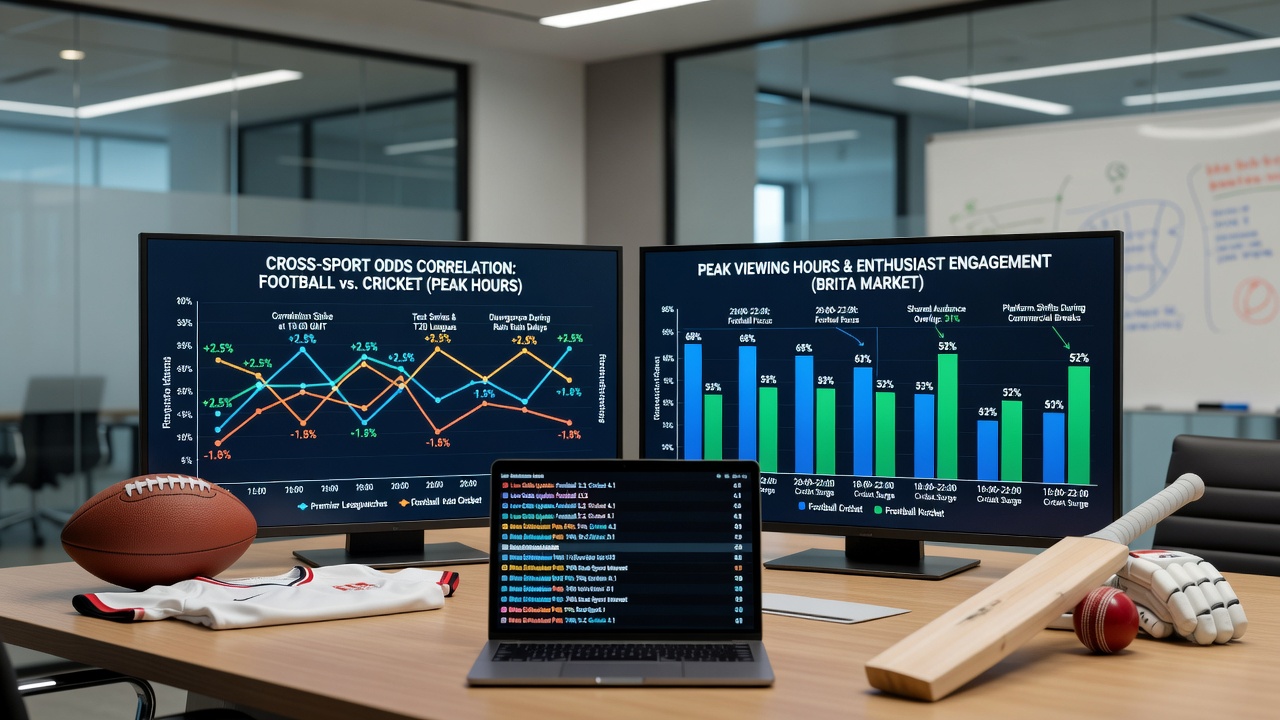
Records from the 2025 summer and autumn periods reveal that cricket fixtures starting at 6:30pm frequently experience odds tightening in the first hour as football coverage begins on adjacent channels, and this timing effect repeats when cricket reaches its middle overs during football halftime. Data collected across multiple operators shows average correlation coefficients between select football goal markets and cricket over/under totals rising by 0.18 to 0.27 during these overlaps compared with non-peak hours. Observers tracking September 2026 fixtures anticipate similar dynamics as the new Premier League campaign begins alongside remaining county cricket one-day internationals, with early-season betting volumes expected to test whether established patterns hold under updated scheduling.
Factors Driving Cross-Sport Movement
Viewer attention metrics compiled by media research groups demonstrate that British audiences often switch between broadcasts during natural breaks, and this behavior correlates with brief spikes in cross-market activity as users place hedging bets on the secondary sport. Platform operators report that algorithmic pricing engines incorporate real-time data streams from both events, which helps explain why a cricket wicket falling in the 15th over sometimes precedes subtle line movements in an ongoing football match even when the latter shows no immediate change in play. External analysis from the Responsible Gambling Council highlights how shared peak periods amplify these interactions without requiring direct causal links between the sports themselves.
Regional and Demographic Influences
Bettors in urban centers with strong football followings tend to maintain higher activity levels on cricket markets during shared viewing slots than those in areas where cricket dominates summer schedules, according to aggregated transaction data reviewed by academic researchers at the University of Sydney's gambling studies unit. This geographic variation appears when evening fixtures coincide with pub-based viewing gatherings, where collective reactions to one sport's key moments influence individual decisions on the other. Figures released by the Canadian Centre for Gambling Research on international market comparisons suggest that such cross-sport effects remain more pronounced in markets with dense scheduling overlaps like those found in Britain.
Technical Adjustments by Operators
Betting platforms respond to these correlations by widening or narrowing margins on correlated selections during peak windows, and internal reports indicate that risk-management teams monitor combined exposure across both sports to maintain balanced books. When a major football goal triggers widespread cash-outs, cricket odds sometimes receive compensatory adjustments within minutes to reflect redistributed stake volumes. Those monitoring September 2026 schedules note that any introduction of additional evening double-headers could intensify these technical responses as operators refine their real-time models.
Conclusion
Cross-sport odds correlation during peak viewing hours reflects measurable interactions between football and cricket markets driven by overlapping schedules, shared audience attention, and platform liquidity management. Continued tracking through the 2026 season will provide further data on how these patterns evolve under new fixture arrangements and technological updates.