Black Market Betting Projections Signal Major Shifts for Premier League Season
Freya Bennett · Aug 25, 2026

Black Market Betting Projections Signal Major Shifts for Premier League Season
The Betting and Gaming Council has released detailed forecasts showing the illegal UK black market poised to manage up to £800 million in Premier League wagers during the upcoming season, with typical weekends drawing between £15 million and £20 million in stakes while the opening weekend alone reaches roughly £20 million.
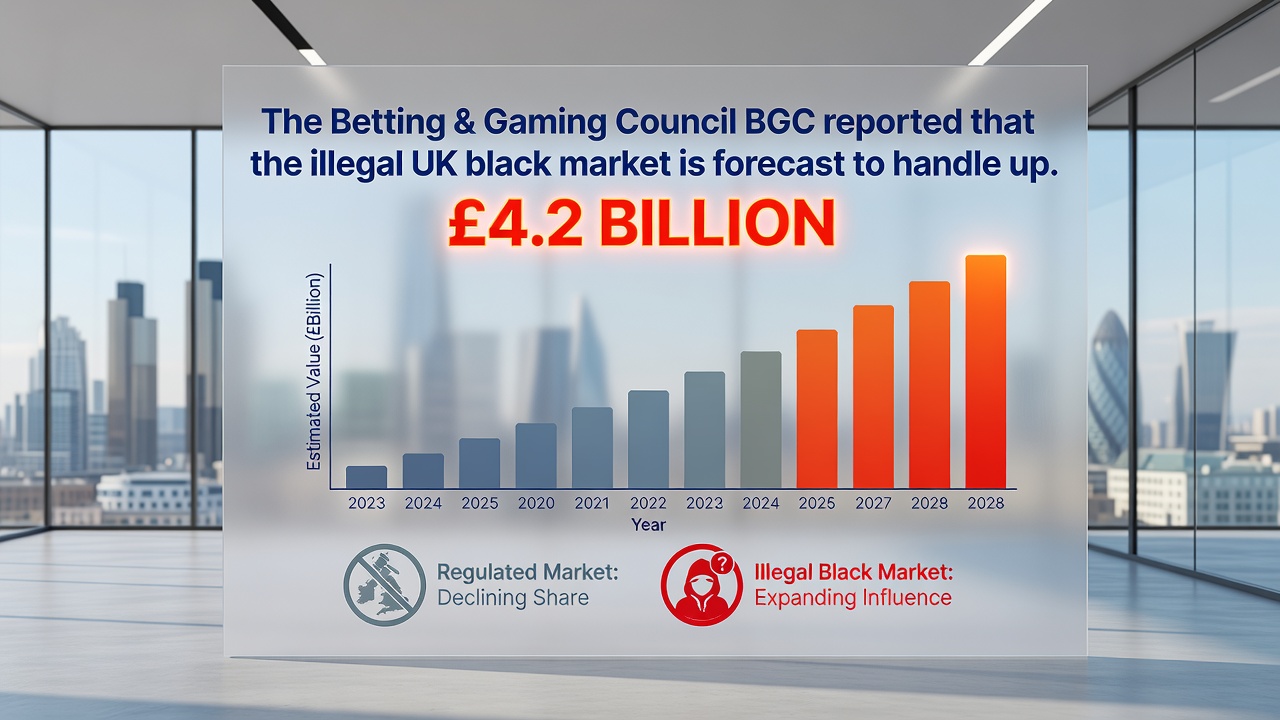
Those projections climb further to around £1 billion annually once the next season begins, a direct result of the General Betting Duty increase scheduled for April, and independent analyses already place unregulated operators at nearly half of all UK gambling advertising spend as regulated channels pull back.
Tracking the Weekend Stakes and Seasonal Totals
Data from the council breaks down activity across regular matchdays where £15 million to £20 million moves through unlicensed sites each weekend, yet the opening fixtures push that figure to approximately £20 million in a single stretch, illustrating how concentrated demand spikes when the new campaign launches.
Observers tracking these patterns note the overall seasonal total reaching £800 million before the duty adjustment takes effect, after which the annual figure climbs toward £1 billion, a trajectory that aligns with broader projections showing illegal stakes nearly doubling to more than £33 billion across the entire UK gambling sector by 2028.
Advertising Shifts Fuel Unregulated Expansion
Independent studies reveal unregulated operators now command nearly half of UK gambling ad spend because regulated advertising has declined, creating space that black-market platforms fill rapidly while the planned duty rise in April adds further momentum to this migration.
Analyses indicate this advertising displacement accelerates growth, allowing unlicensed operators to capture larger portions of Premier League betting volume as the regulated sector faces tighter constraints, a development that the council links directly to the rising £800 million seasonal forecast and the subsequent jump to £1 billion.
Impacts on Consumer Protections Tax Revenue and Employment
The council report highlights concrete risks to consumer protections when bettors move outside regulated environments, where safeguards such as age verification and responsible gambling tools no longer apply, while tax revenue declines as stakes shift away from licensed operators that contribute to public funds.
Employment in the regulated sector also faces pressure because reduced activity among compliant businesses can lead to fewer positions and lower overall contributions to the economy, a pattern the forecasts connect to the projected growth of illegal stakes reaching over £33 billion by 2028.
Support for Measures Targeting Unlicensed Operators
The Betting and Gaming Council backs targeted actions to restrict unlicensed operators, emphasizing that enforcement efforts can help restore balance by limiting the channels through which illegal bets flow and thereby protecting both revenue streams and the integrity of the regulated market.
According to the BGC report, coordinated steps against black-market platforms address the core drivers behind the £800 million seasonal projection and the anticipated rise to £1 billion, offering a pathway to slow the expansion that currently places unregulated operators at nearly half of advertising spend.
Conclusion
Figures released by the council outline a clear trajectory where illegal Premier League betting moves from £800 million this season to £1 billion next year after the April duty increase, with weekend stakes of £15 million to £20 million underscoring the scale and independent data confirming unregulated operators now hold nearly half of ad spend while total illegal stakes head toward £33 billion by 2028.
These forecasts frame the risks to protections, tax income, and jobs while underscoring the council's endorsement of enforcement measures aimed at unlicensed operators, providing a factual basis for understanding how the market evolves under current conditions.