UK Gambling Sector Reports Job Losses and Shop Closures Following 2025 Budget Tax Adjustments
Nils Frank · Aug 22, 2026

UK Gambling Sector Reports Job Losses and Shop Closures Following 2025 Budget Tax Adjustments
The Betting and Gaming Council released figures showing that 4,500 jobs have disappeared from the UK gambling sector and 540 high-street betting shops have shut down since the 2025 budget introduced higher taxes on remote gaming operations, and those numbers reflect changes that took hold after the announcement under then-Chancellor Rachel Reeves.
Remote gaming duty rose from 21% to 40% with the new rate scheduled to apply from April 2026, while a separate increase to remote betting duty stands planned for 2027, and the council attributes both retail and online impacts to these adjustments even though high-street shop duty rates remained untouched.
Scope of Reported Changes Since the Budget
Grainne Hurst, chief executive of the Betting and Gaming Council, outlined the cumulative effects across the industry in statements tied directly to the tax revisions, noting that operators have already reduced staffing levels and closed locations while warning that further closures, additional job reductions, and lower investment in British sports sponsorship could follow once the April 2026 rate takes effect and the 2027 adjustment arrives.
Observers tracking the sector point out that the reported losses span both physical retail outlets and digital platforms, creating a pattern where companies adjust operations in response to the higher remote gaming duty structure that begins next year and the planned remote betting duty rise the year after.
Tax Rate Adjustments and Treasury Position
The 2025 budget measure targeted remote gaming specifically by lifting the duty from its previous 21% level to 40%, leaving duties on high-street betting shops unchanged according to the Treasury response, and officials there disputed the broader attribution of retail closures and job cuts to the remote-focused changes.
Treasury statements emphasize that shop duty rates stayed the same, which separates the online tax increase from any direct pressure on physical locations, while the Betting and Gaming Council maintains that the overall tax environment affects company-wide decisions covering both sides of the business.
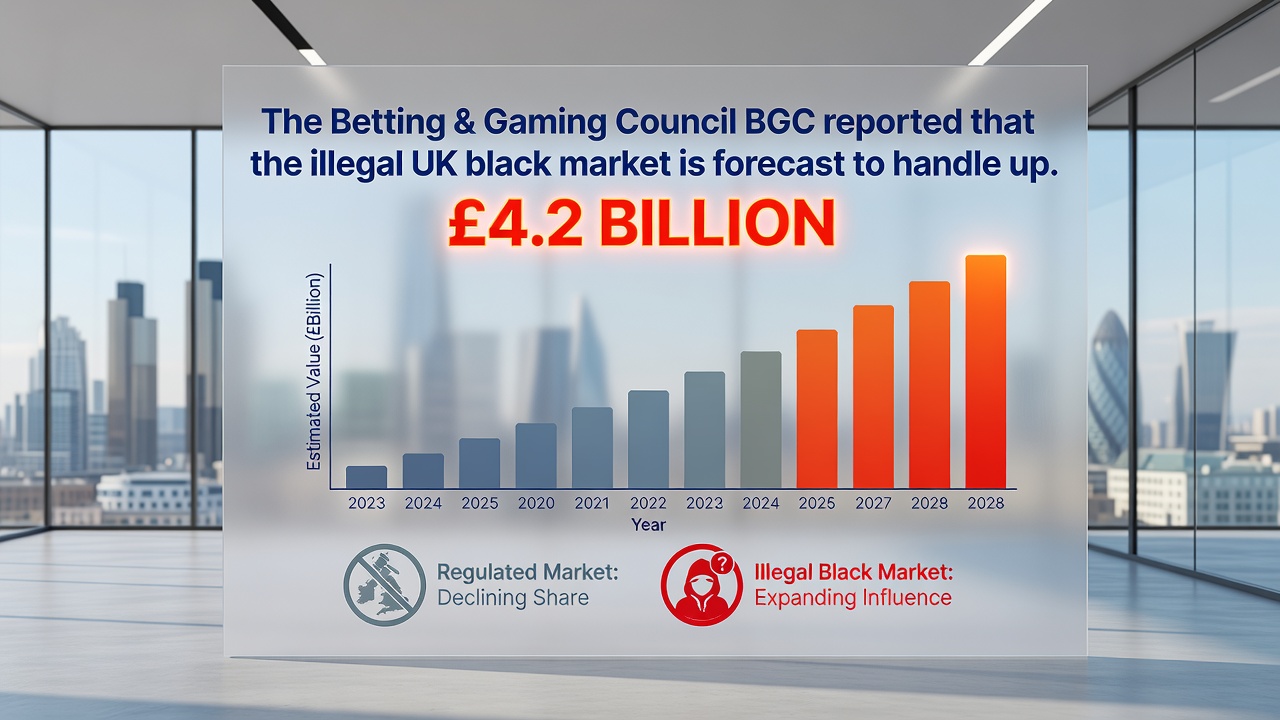
By August 2026 the April 2026 duty increase will have been in place for several months, allowing operators to assess how the 40% remote gaming rate and the upcoming 2027 remote betting duty adjustment influence ongoing staffing and location strategies across the sector.
Industry Statements and Broader Context
The Betting and Gaming Council presented the 4,500 job losses and 540 shop closures as direct outcomes tied to the budget timeline, with Grainne Hurst highlighting potential knock-on effects for sports sponsorship and investment levels once the higher rates apply, and those claims form the core of the council's public position on the matter.
People following the developments note that the figures represent activity since the 2025 budget announcement, encompassing both the period leading up to April 2026 and the early months after the remote gaming duty took effect, while the Treasury maintains its view that unchanged shop duties limit any direct connection between the remote tax rise and high-street outcomes.
Conclusion
The reported data from the Betting and Gaming Council and the Treasury response together illustrate the immediate industry adjustments following the 2025 budget, with the 40% remote gaming duty set for April 2026 and the planned 2027 remote betting duty increase providing the framework for ongoing evaluations of jobs, shop numbers, and related business decisions in the months ahead.